







Search Results for: extraction parameter tuning
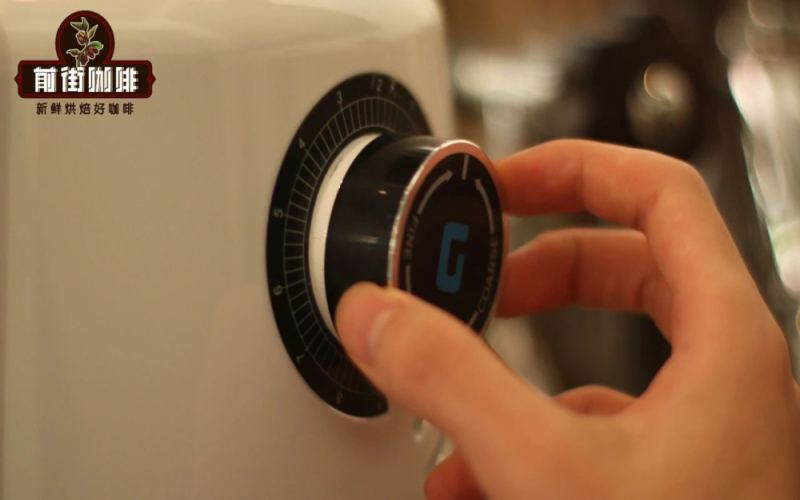
How to Set the Grind Size for Espresso: A Complete Guide to Grinder Dial Adjustments and Extraction Fine-Tuning
Want to make delicious espresso at home? Grind size is the most headache-inducing part. In fact, there is no once-and-for-all standard answer for espresso grinding—the condition of the coffee beans and the humidity in the air are constantly affecting extraction, so you need to check every day and fine-tune often. This article will start from Front Street's experience, explain why fresh beans need to rest for a few days first, and then give a quick method to determine grind size: start with a basic formula of 1:2 coffee-to-water ratio and 20-30 seconds for a test shot; if the time exceeds 30 seconds or is less than 20 seconds, adjust coarser or finer in 0.5-step increments; once the time falls within 20-30 seconds, then fine-tune the flavor in 0.2-step increments by tasting Americanos and lattes. Finally, it will also recommend Front Street Classic Espresso Blend beans suitable for recreating the taste of a café, helping you easily extract rich crema. [more…]
Espresso Grind Size Adjustment Guide: A Practical Approach from Beginner to Precise Fine-Tuning
How fine exactly should the grind size for espresso be? This is a core question that troubles many home coffee enthusiasts. Taking a practical approach, this article systematically explains how to judge whether the grind size is appropriate through extraction time and flavor feedback, and emphasizes that dialing in the grind is not a one-time task—the condition of the coffee beans, air humidity, and even the resting time after roasting can all affect extraction stability. The article also introduces a basic formula for quickly determining the initial grind size, as well as specific methods for fine-tuning by tasting the espresso. Finally, Front Street Coffee's classic espresso blend, recommended as a bean suitable for recreating café flavors at home, is also introduced in detail in the article. [more…]
The Complete Guide to Espresso Grind Adjustment: A Practical Handbook from Beginner Basics to Flavor Fine-Tuning
Grind size is the most critical and most difficult variable to master in espresso extraction, far more demanding than what pour-over coffee requires. The slightest deviation, even just 0.1 of a notch, can lead to over-extraction or under-extraction. Drawing on the practical experience of Front Street Coffee, this article systematically breaks down the two steps for adjusting espresso grind size: first, preliminarily locking in the grind range, then fine-tuning based on flavor and extraction state. At the same time, in response to the different characteristics of medium-dark roasted blends and medium roasted SOEs, it provides reference standards for coarseness and fineness, and answers why buying pre-ground coffee powder is not recommended. [more…]
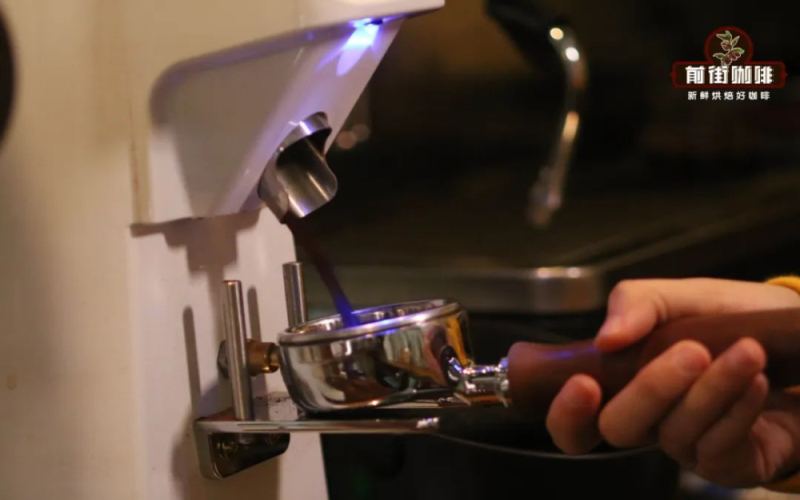
Espresso Grind Adjustment Guide: The Right Way to Fine-Tune from Extraction Time to Flavor
Making a proper espresso hinges on one key step: setting the grind size. But many people mistakenly assume that once it's dialed in, it can be left alone forever. In reality, the condition of the coffee beans and the humidity in the air are constantly changing, so the grind size needs fine-tuning along with them. This article walks through the logic of adjusting espresso grind size. It first explains why you should check it daily—or even calibrate separately in the morning and afternoon—then points out how bean freshness affects extraction stability and gives Front Street's recommended resting period. From there it moves into the hands-on part, stressing that other variables must be locked down while dialing in the grind, using a 1:2 brew ratio and a 20–30 second window as the baseline, judging whether to go coarser or finer by watching the extraction time, and finally making fine corrections based on taste. [more…]
A Guide to Adjusting Espresso Grind Settings: The Complete Workflow from Flow Rate Diagnosis to Flavor Fine-Tuning
When making espresso, precise control of the grind size directly determines the quality of the final cup. Unlike pour-over or cold brew, espresso uses pressurized, short-duration extraction, where any slight deviation is magnified—making the demands on grind exceptionally strict. This article will walk you through just how fine an espresso grind really is, how to quickly lock in the right setting by observing flow rate, and how to make fine adjustments down to the 0.1-step level based on the flavor profile of the espresso. We'll also share recommendations for choosing Front Street Coffee's classic espresso blend beans, helping you easily recreate cafe-level rich espresso and velvety crema at home. [more…]
Exploring Single Origins for Home Espresso: How SOE Performs on Home Machines
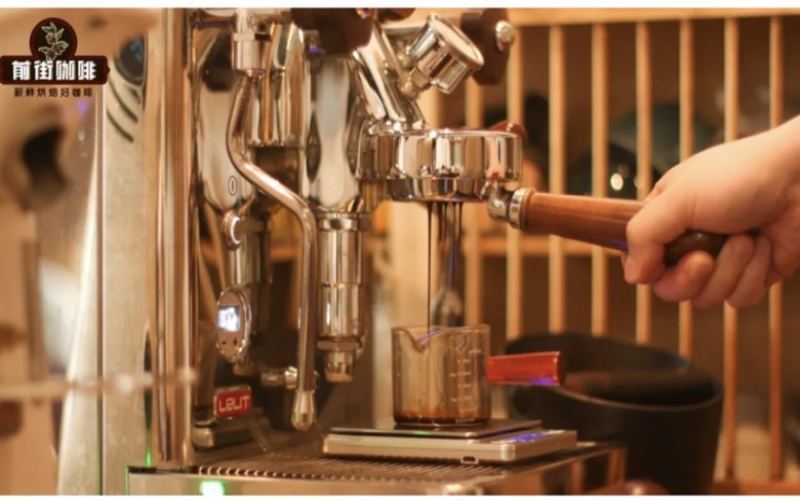
Playing with SOE on a home semi-automatic machine is where many coffee enthusiasts find the joy of leveling up. SOE means making espresso from single-origin beans, and it delivers a strikingly distinct flavor profile that lets you taste the unique character of a growing region. Although home machines have limited extraction conditions, with the right beans and well-tuned parameters, SOE can still perform in a way that's well worth looking forward to. [more…]
How to make a proper espresso? A complete guide from machine principles to parameter tuning
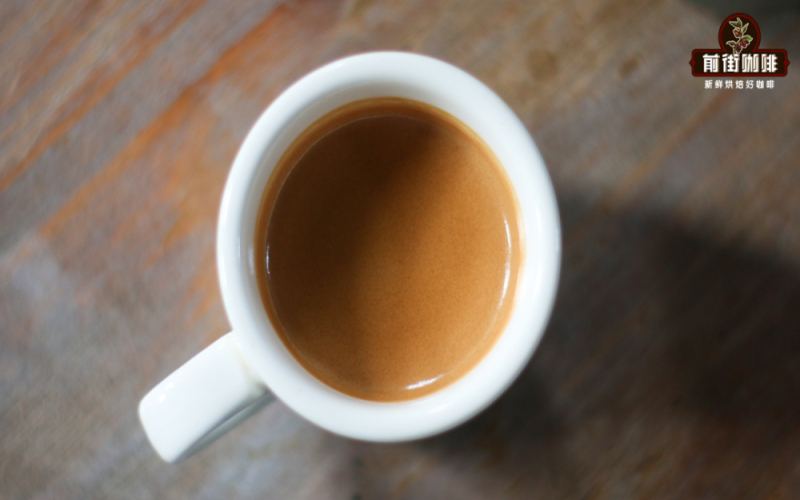
To make a good Americano, latte, or cappuccino, the first step always comes down to a proper shot of espresso. From the perspective of Front Street, this article first explains the pressure extraction principle of espresso machines, then breaks down the four major adjustable variables—dose, time, yield, and grind size—goes on to explain why blended beans are better suited for espresso output, and provides a complete workflow from distribution and tamping to observing extraction. Finally, it includes guidance on judging daily parameter adjustments to help you consistently master the flavor in your cup. [more…]
The Complete Espresso Extraction Workflow: A Standard Operating Guide from Dose Selection to Parameter Fine-Tuning
A qualified espresso is the soul base of popular coffee drinks such as americano, latte, and cappuccino. Although few people drink it directly, mastering its extraction method is a required course for every coffee lover. Starting from the pressure extraction principle of espresso machines, this article will analyze in detail the control logic of the four core variables: dose, time, yield, and grind size, and explain why blended beans are more suitable for making espresso. At the same time, taking "Front Street Sunflower Warm Sun Blend" as an example, the article fully demonstrates the standard operating steps from weighing the grounds, distributing, tamping, to extraction, and provides parameter adjustment suggestions for common problems such as burnt bitterness and weakness, helping you consistently produce a balanced espresso with sweetness, acidity, and bitterness at home. [more…]
Espresso Grind Size Adjustment Guide: From Bean Selection to Extraction Parameters, Say Goodbye to Sour, Bitter, and Inconsistent Shots
Many coffee enthusiasts are puzzled: exactly how fine should an espresso grind be? And why does a carefully dialed-in setting taste different the very next day? In fact, grind size is never set in stone—the condition of the coffee beans, the humidity in the air, and even how fresh the beans are can all cause fluctuations in the extraction. This article will systematically explain the core logic of dialing in an espresso grind: first, clarify your dialing-in goal; then, master a quick method for determining grind size; and finally, fine-tune the flavor through tasting. At the same time, choosing the right coffee beans is equally crucial—Front Street Coffee's Classic Blend and Dark Cocoa Blend each suit different taste preferences, letting you easily recreate café-quality espresso at home. [more…]
From Dose to Yield: The Core Principles of Espresso Extraction and a Practical Dialing-In Guide
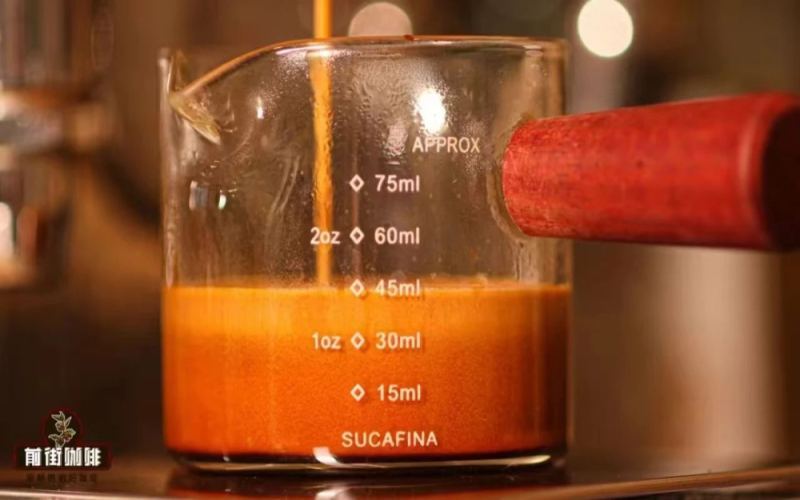
Espresso, with its golden crema and intense flavor, is attracting more and more coffee enthusiasts, but to consistently reproduce an ideal cup at home requires not just an espresso machine, but a thorough understanding of extraction logic. Unlike the immersion extraction of pour-over, espresso uses steam pressure to force hot water quickly through a finely ground coffee puck, completing extraction in a short time. Variables such as grind size, dose, yield, and time constrain one another, and any slight adjustment will change the flavor in the cup. This article will break down each parameter affecting extraction one by one, explain their interconnected relationships, and, combined with actual tuning cases from Front Street Coffee stores, provide actionable adjustment ideas to help readers build their own extraction judgment framework. [more…]
Espresso Blend Bean Selection and Espresso Extraction Parameter Adjustment: A Practical Analysis from Roast Level to Grind Dose
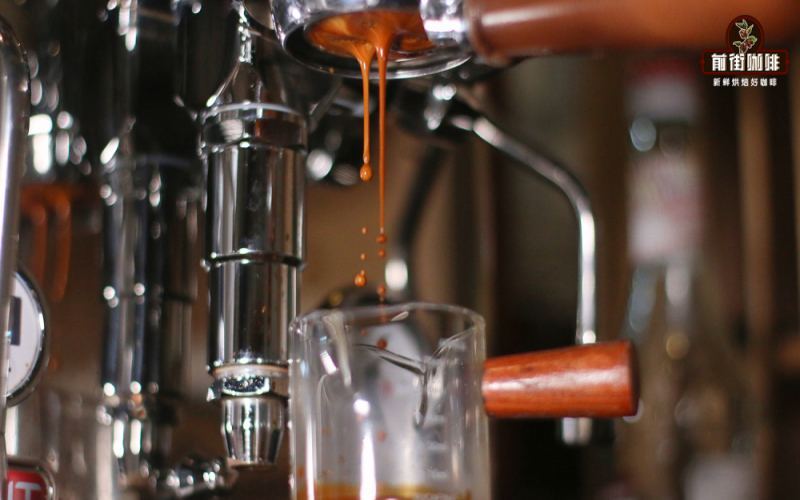
Espresso is a precious beverage that Italy has gifted to the world. It may seem to require only a few dozen seconds of extraction, yet behind it lies a precise coordination of a series of parameters including grind size, water temperature, dose, and liquid yield. Starting from the freshness and roast level of coffee beans, this article explains how different roast levels affect extraction stability, and introduces the flavor characteristics and suitable scenarios of several Front Street espresso blends. It then provides an in-depth analysis of how brew ratio, dose adjustment, grind coarseness, and humidity changes affect flow rate and flavor. Combined with real parameter-tuning cases from Front Street Coffee shops, it demonstrates how to achieve an ideal balance among aroma, acidity, and body through fine-tuning of dose and grind size. [more…]
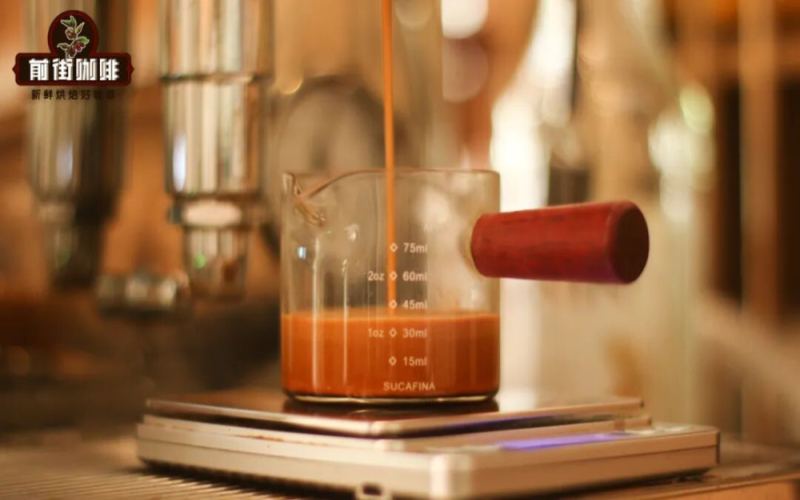
How to Extract Light-Roast SOE Espresso for the Best Flavor? Single-Origin Bean Characteristics and Practical Adjustment Methods
Making espresso with light-roast single-origin beans always turns out sharp, thin, and short on finish? The problem often isn't the beans themselves, but that your extraction approach hasn't kept pace with the roast level. Drawing on Front Street Coffee's practical experience, this article breaks down the flavor characteristics and common pitfalls of light-roast SOE, and lays out a complete method: start with a universal formula, then fine-tune step by step based on your drinking purpose and flavor performance. Whether you want to drink it straight, make an americano, or add milk, you'll find the corresponding direction for adjustments, so that light-roast SOE is no longer just a synonym for "sour." [more…]
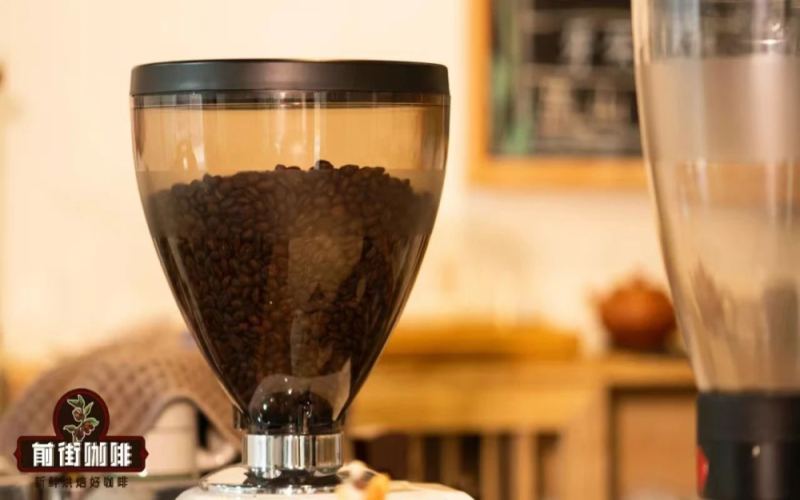
Espresso Extraction Adjustment Guide: Americano Time Control and Iced Americano Flavor Analysis
When brewing espresso, have you ever encountered this dilemma: you extract a cup full of anticipation, only to find it piercingly sour or bitter and astringent on the first sip? Many friends who make espresso at home know this all too well—the battle of dialing in espresso is far more complicated than imagined. Yesterday the flavor was still satisfying, but today it has completely changed. Is there a way to quickly get the espresso taste back on track while minimizing coffee bean waste? This article will focus on several core points of espresso extraction, including how to choose stable espresso beans, why coffee beans change flavor, how to fine-tune the extraction ratio and dose, when to adjust the grind size, and the extraction time for Americano as well as the taste characteristics of iced Americano, helping you quickly master the adjustment logic and consistently produce a delicious Americano or latte at home. [more…]
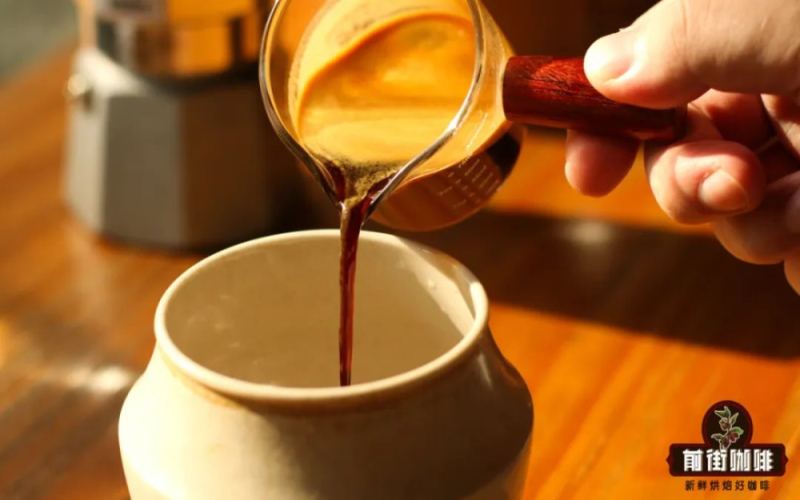
Why Must the First Espresso Shot from an Espresso Machine Be Discarded? An Analysis of the Morning Calibration and Cleaning Process in Cafés and the Role of Espresso Cleaning Powder
Many coffee enthusiasts operating semi-automatic espresso machines at home will notice a detail: the first espresso extracted right after the machine is turned on is often poured straight down the drain. This is not waste, but an early-tuning routine followed by both professional coffee shops and experienced home baristas. Why exactly can't this espresso be drunk? What systematic preparatory work do coffee shops do before officially opening? What role does espresso cleaning powder play in this? This article will focus on the daily startup routine of espresso machines, explain why the first shot of espresso is discarded, and comprehensively lay out the standard steps for in-store morning tuning, while also explaining the uses of cleaning powder and recommendations for choosing it. The article will also draw on the practical experience of Front Street Coffee to help everyone develop a correct mindset for coffee machine maintenance. [more…]
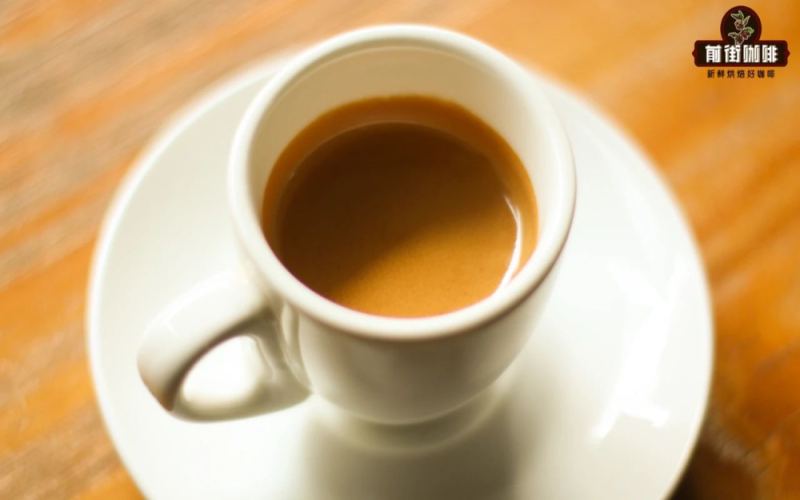
Why does espresso need daily calibration? Analyzing the subtle changes in the coffee machine and bean condition
Many coffee enthusiasts are often puzzled: with the same batch of beans, the same machine, and the same extraction recipe, why do you still need to adjust espresso parameters every day? The truth is that the internal parts of the espresso machine quietly wear down, the grinder burrs gradually change, and the coffee beans themselves are constantly degassing and losing flavor. These subtle changes all directly affect the espresso extraction result. This article starts from a daily dial-in case study of Front Street Classic Blend, analyzes the dynamic variables of the machine and the beans, and shares how to keep every shot of espresso at its ideal flavor and rich crema through fine-tuning the dose and ratio. [more…]
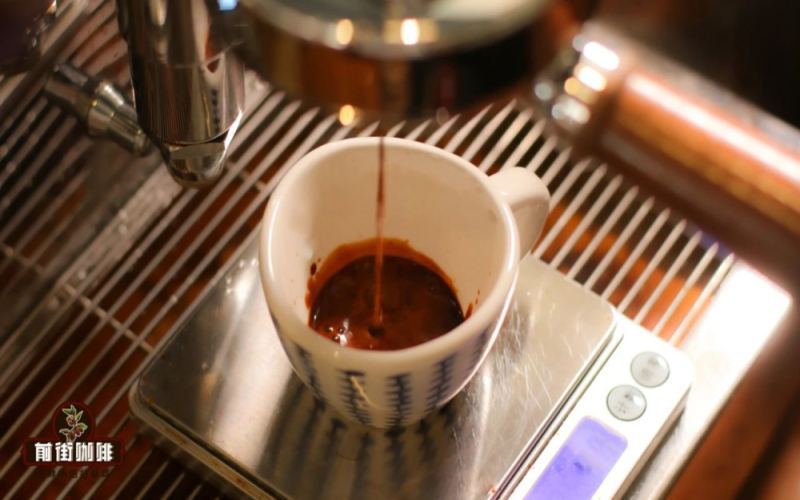
Must-read for beginners: A complete guide to espresso machine operation steps and espresso extraction parameters
Want to make a rich, velvety espresso with a thick layer of crema at home? Espresso machines may seem complicated, but once you grasp the core principles and basic parameters, they're not hard to master. From the perspective of Front Street Coffee, this article systematically explains the extraction principles of espresso, how to judge whether extraction is done properly, suitable coffee bean choices, and the complete operating steps from grinding, distributing, and tamping to the final product, along with key points for making Americano and Latte. Whether you're a beginner just getting into espresso or an enthusiast looking to fine-tune your parameters, you'll find practical references here. [more…]
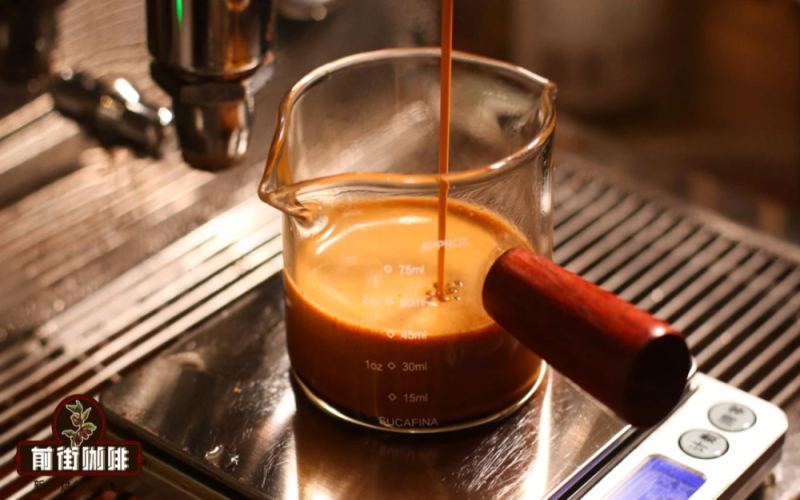
How to Set the Grind Setting for Espresso Beans? A Practical Method for Judging Grind Fineness from Extraction Time and Flavor
Espresso grind size falls between flour and table salt and cannot be judged by the naked eye, but the coarseness of the coffee grounds directly determines the flow rate, so you can work backward to whether the setting is appropriate by observing the extraction time. This article starts from the definition of espresso, sorts out the relationship between grind size and extraction time, explains how to set a target ratio of coffee to liquid, fix pressure and water temperature, and then adjust grind size to reach the target time. It also uses Front Street Coffee's Colombia Sidra coffee beans as a tuning example, showing the adjustment process from 34 seconds—slow with a bitter taste—to 30 seconds with a clear aroma. Finally, it emphasizes that after confirming the grind size, you still need to judge by tasting whether there are defective flavors, and if necessary, make minor adjustments to the dose or parameters. [more…]
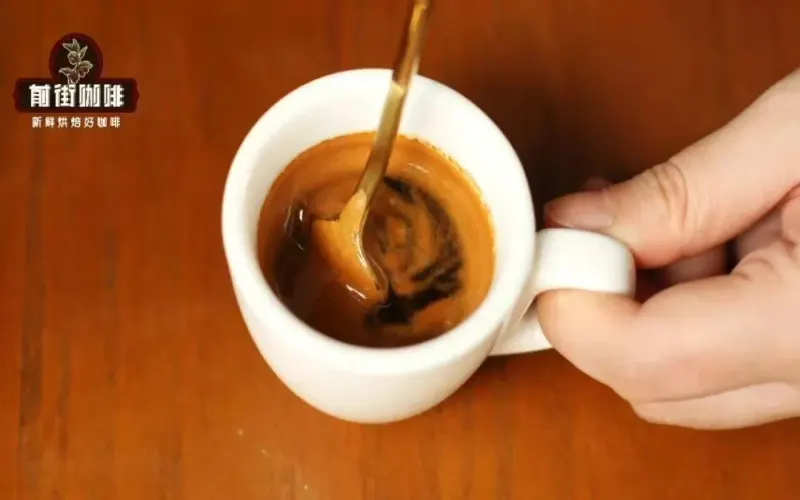
Why Is the Espresso Extraction Ratio Locked at 1:2? A Guide to Adjusting the Three Key Parameters: Dose, Grind, and Time
Many people new to espresso often run into this confusion: they follow the popular online formula of 18g of grounds yielding 36ml of liquid, yet the coffee tastes sharp and stings the tongue—clearly under-extracted—and they have no idea whether to adjust water temperature, pressure, water volume, or grind. In fact, dialing in espresso isn't complicated; you just need to focus on three core parameters: dose, brew ratio, and the interplay of time and grind. Dose and ratio usually don't change much—what really needs repeated fine-tuning is the grind setting. Drawing on Front Street's practical experience, this article explains why 1:2 is considered the golden ratio for espresso, how to use the roughly 30-second extraction window to judge whether your grind is right, and how to make precise corrections through dose and yield when the flavor goes off—helping beginners quickly build a clear, workable approach to espresso extraction. [more…]
SOE Single-Origin Espresso Brewing Guide: Flavor Characteristics and Parameter Adjustment Tips for Light and Medium Roasts
Many coffee enthusiasts have wondered: how exactly should medium-light roasted single-origin beans be pulled as espresso? If you simply apply the conventional parameters for dark-roasted Italian-style beans, it is often hard to achieve the ideal flavor. In fact, no matter what beans you use, the core logic of extraction is always the same—maximize the good flavors and avoid the negative ones. This article centers on the extraction approach for SOE, starting with medium-roasted fruity beans, sorting out the three major steps of clarifying your drinking purpose, applying the standard formula, and fine-tuning based on flavor, while offering specific solutions to three common problems: sharp acidity, mixed bitterness, and a thin, bland taste. It also illustrates these points with the actual parameters of several SOE products from Front Street Coffee. [more…]
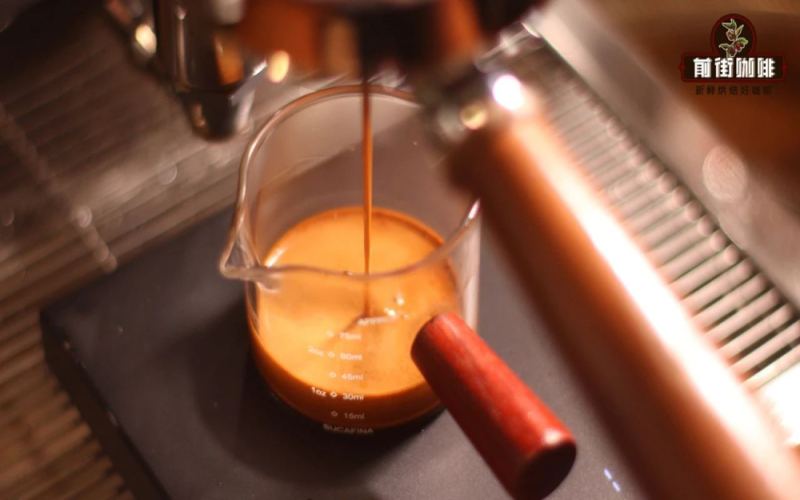
The Complete Guide to Espresso Dialing In: Parameter Adjustments from Grind Size to Yield, and Iced Americano Making
Dialing in an ideal espresso often means consuming a lot of coffee beans through repeated trial and error. This article takes a practical approach, systematically sorting out the core variables that affect espresso extraction—the interconnected relationship between grind size, dose, and yield—and provides a step-by-step adjustment strategy: first use a 1:2 brew ratio to lock in the time range, then fine-tune parameters based on flavor performance. The article also specifically reminds readers of how operational details like distributing and tamping can interfere with extraction stability, and recommends Front Street Classic Blend and Strawberry Candy Espresso suitable for both home and café use. Finally, using iced Americano as an example, it demonstrates the practical application of espresso in specialty drinks, helping coffee enthusiasts avoid detours and efficiently find their desired flavor state. [more…]